If the phrase keeps appearing in your feed, you are not imagining it. The carbon laser peel has quietly become one of the most requested facials in the med spa world. Here is what it actually involves.
So what is it?
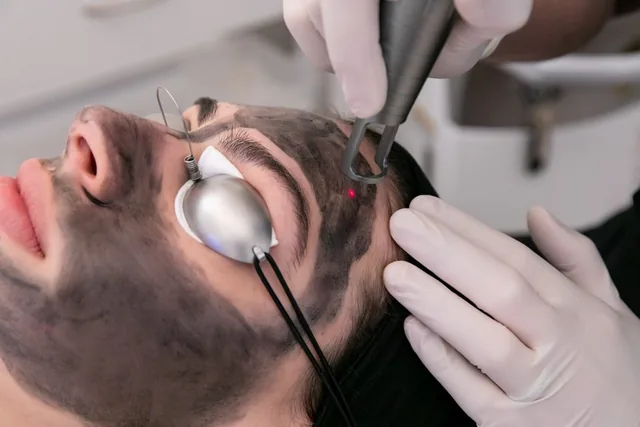
A Carbon Laser Peel is a non-invasive laser facial. A layer of liquid carbon is applied to the skin and left to settle, where it binds to surface oil and debris. A laser then passes over the area, heating and removing the carbon — and taking dead skin cells, oil, and impurities with it — while the laser energy is also intended to stimulate collagen at depth.
What clients tend to notice: smoother texture, pores that look more refined, less obvious pigment, and an immediate brightness. No needles, and usually no planned downtime.
Why “Hollywood”?
The name comes from its reputation as a pre-event treatment, the kind booked before a red carpet because something is visible the same day. It is a marketing name for a category of laser facial rather than a distinct technology, and it is not a promise of poreless or flawless skin. Worth knowing before the name sets the expectation.
What is it used for?
The treatment is generally suited to:
- dull or uneven-looking skin tone
- enlarged or congested pores
- oily skin
- mild acne and blackheads
- fine lines and early visible signs of aging
- sun damage and pigmentation
It is described as workable across a wide range of skin tones and gentle enough for most skin types. Even so, device settings, recent sun exposure, medications, and any active skin condition decide candidacy in the room — not the list above.
What does it feel like?
Most clients describe it as comfortable: warmth and a light tingling as the laser passes over the skin. No numbing is required, the appointment typically runs around thirty minutes, and most people return to their normal routine straight afterward.
What results can you expect?
After a single session, most clients notice some combination of:
- a brighter, more even-looking complexion
- pores that appear smaller
- smoother skin texture
- a healthier-looking surface
Across a series, changes accumulate rather than arrive at once — the clinic notes that some clients choose three to six sessions for ongoing oiliness, acne, or pore concerns. How much changes, and how long it holds, depends on skin condition, home care, and what else is in the plan.
Is spring a good time to book?
It is a sensible window. Sun exposure has not yet peaked, which keeps pigment risk lower, and congestion tends to increase as the weather warms. Starting now means there is room to complete a series before summer rather than treating skin at its most sun-exposed.
Brighter, smoother, clearer. A laser facial — not a reinvention.
If texture and collagen matter more to you than surface clarity, microneedling may be the better conversation, and hydration-led congestion often responds well to hydradermabrasion instead. A consultation confirms which of the three fits your skin; appointments can be arranged from the booking page.
This article is general education and does not replace medical advice, diagnosis, or informed consent. Suitability, results, and aftercare vary — confirm your own plan at consultation.


